
Using Trade, Not Aid to Lift Women's Lives
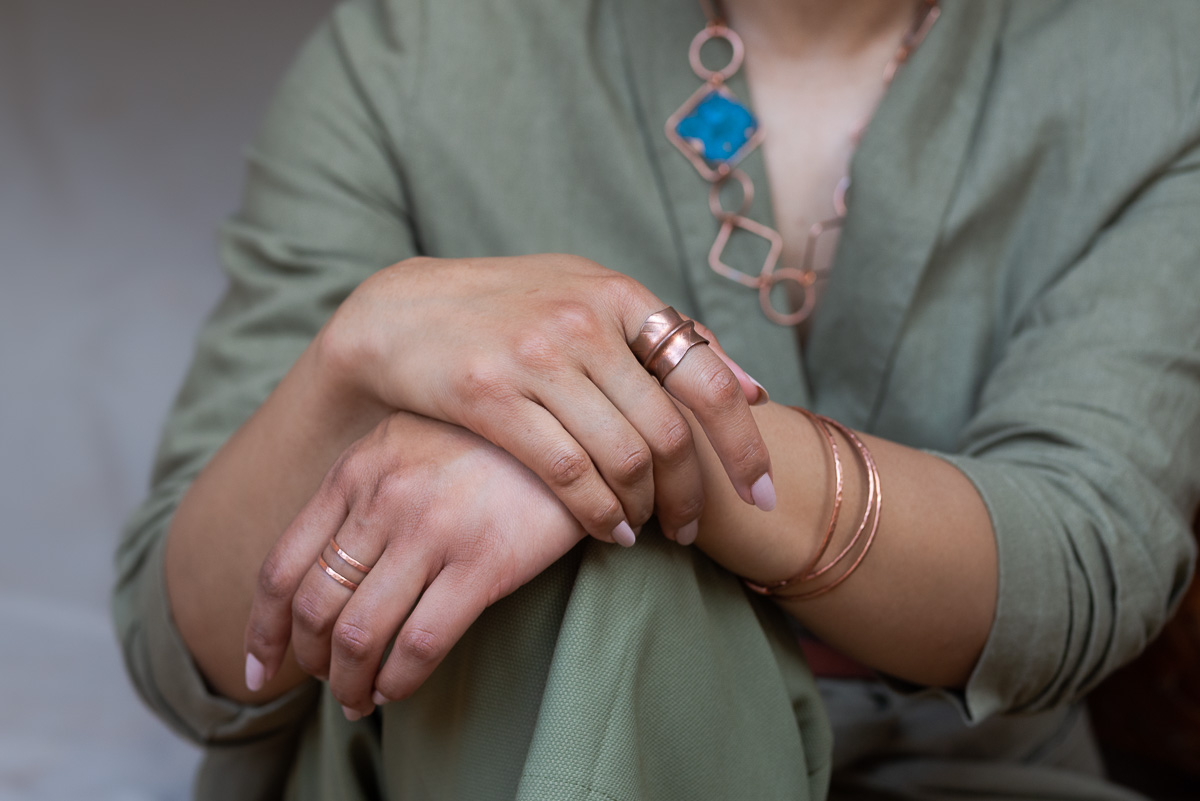
At FREE Zambia, transformation extends beyond raw materials it happens in the lives of women and refugee artisans. Corroded copper from old water heaters becomes stunning jewelry, while grass, banana fibers, and other local materials are reimagined into baskets, rugs, and home décor.
Each handcrafted piece tells a story of resilience, skill, and economic empowerment, creating sustainable livelihoods for individuals and communities alike.
Mission
Empowering women in Zambia through sustainable and creative enterprise with a focus on handmade products, turning resilience into opportunity.
Vision
A future where women across Africa achieve independence and dignity through craftsmanship, collaboration, and creativity.
Core Value: Authenticity
Every handcrafted piece reflects an expression of the resilience of its maker and her determination to better her life and that of her family.
Our Story
FREE began in 2011 as a grassroots sewing initiative in Lusaka’s peri-urban communities. When the project struggled to create consistent income, we shifted in 2012 to something deeply rooted in Zambia’s heritage; copper jewelry-making. With “how-to” manuals in one hand and pliers in the other, we taught a new cohort in Ng’ombe Compound to shape copper wire. The early months were tough, our first group left before a single saleable piece was made. Then two young women arrived, and within a week they were creating market-ready designs. A movement took root.
Skills & Scale
The workshop grew in size and skill: soldering, riveting, fold-forming, and patinas were some of the many skills acquired. We learned to marry individual craftsmanship with collaborative, assembly-line methods to fulfill larger orders without losing the human touch.
We’ve taken the multitude of lessons learned with the copper jewellery and applied them to expanding into other initiatives in order to benefit a larger number of women.
From Local Craft to Global Recognition
In 2021 we trained a group of women in Zambia’s Western Province to adapt their traditional basketry to incorporate copper. We later became a Local Social Enterprise under UNHCR’s Made51 program and trained a group of refugee women in Mayukwayukwa Refugee Settlement.
Expanding Opportunities with Banana Fiber Rugs
In 2025 we began training the Mayukwayukwa women to weave banana fiber rugs in order to give them more consistent income. In the process of the training, using fabric offcuts for practice, we discovered the possibilities of an additional range of rugs which are designated for refugee women in the Lusaka area.
How We Work & Why It Matters
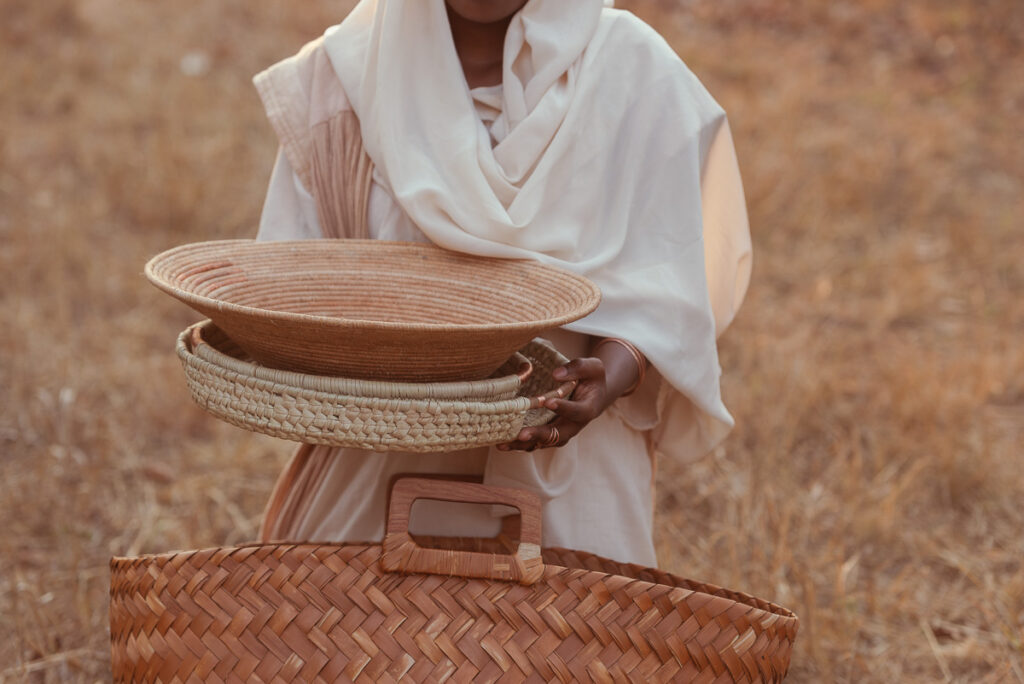
At FREE Zambia, we work hand-in-hand with Zambian women and refugee artisans to create opportunities that last. Every product; whether it’s jewelry, baskets, or handcrafted pieces; tells a story of resilience, skill, and culture.
By connecting artisans directly to global markets through fair trade and e-commerce, we ensure that they receive fair pay while customers gain access to authentic, ethically made products. This approach not only transforms lives through sustainable income, but also preserves traditional craftsmanship and empowers communities to break cycles of poverty. When you choose FREE Zambia, you’re not just buying a product; you’re investing in dignity, opportunity, and a better future for women and refugees.
Some of our products are made in partnership with MADE51, a global brand of home decor and accessories crafted by refugees. Established in 2018 by UNHCR (the UN Refugee Agency), the initiative links refugee artisans with local social enterprises to design, produce, and sell traditional crafts on the global market, helping displaced people earn a living.
meet the artisans
Ng’ombe, Lusaka, Zambia
Jewelry & Chandeliers
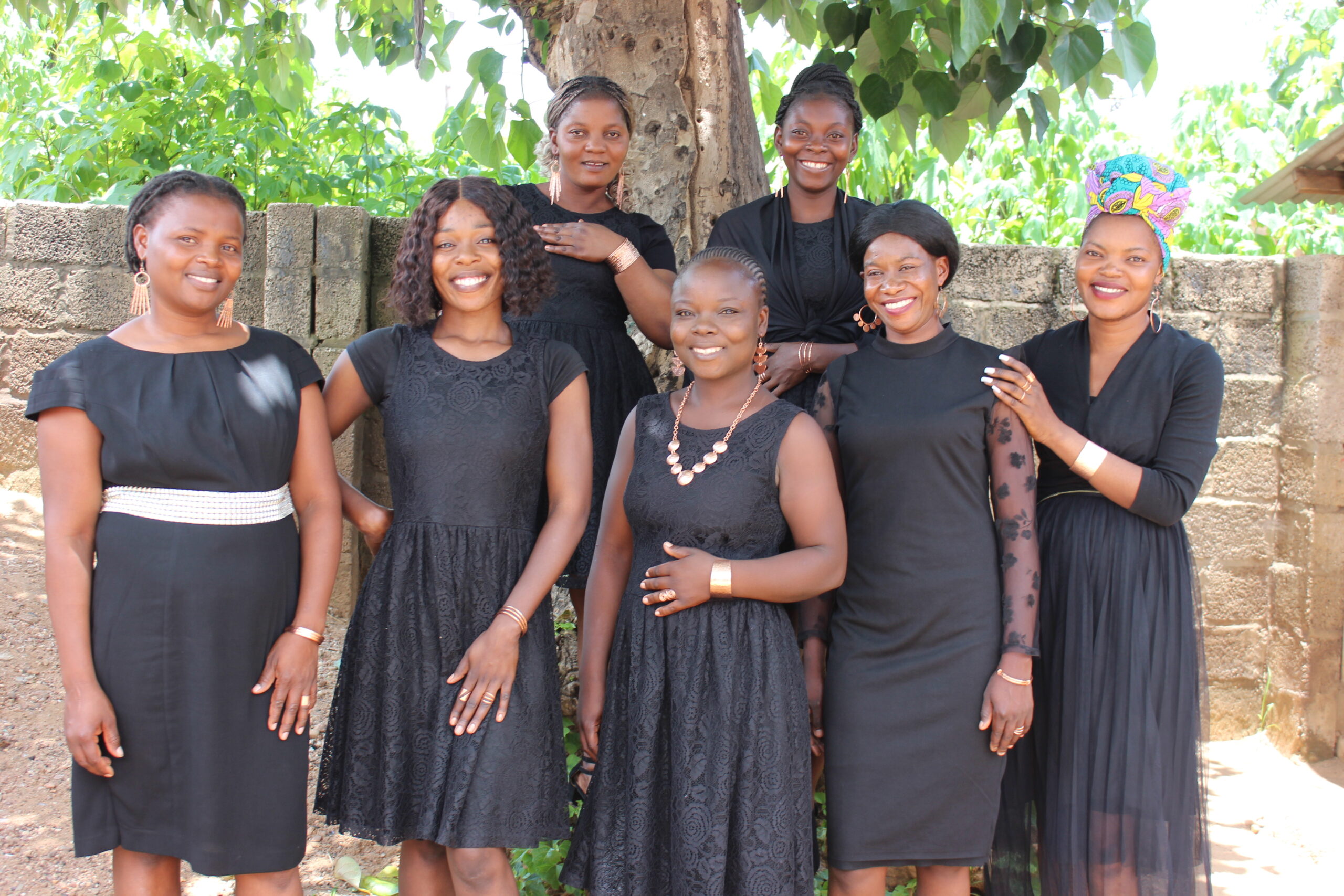
A group of young women make copper jewelry and chandeliers from electrical wire and upcycled hot water heaters in one of Lusaka’s peri-urban communities. FREE’s jewelry makers are largely self-taught, passing on their skills to new participants in the group.
meet the artisans
Mayukwayukwa, Zambia
Baskets & Rugs
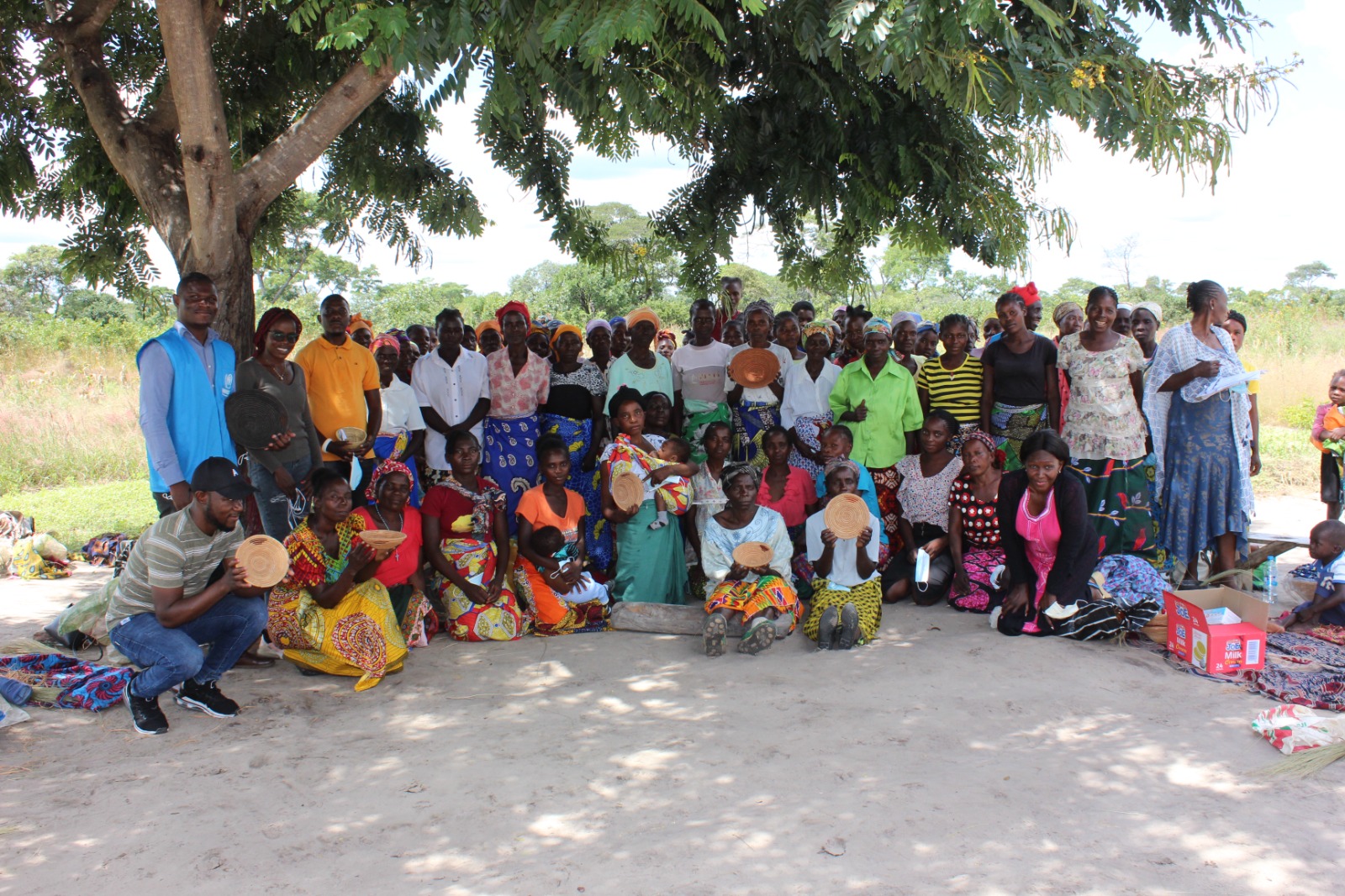
Mayukwayukwa Refugee Settlement is home to our largest group of women. Approximately 70 women weave baskets from the vegetation they find in the bush. To add consistency to the incomes of the women, 10 were trained to weave banana fiber rugs in 2025. This initiative is a part of UNHCR’s Made51 program, providing opportunities for refugees to earn income through handmade products.
meet the artisans
Kanyama, Lusaka, Zambia
RUGS
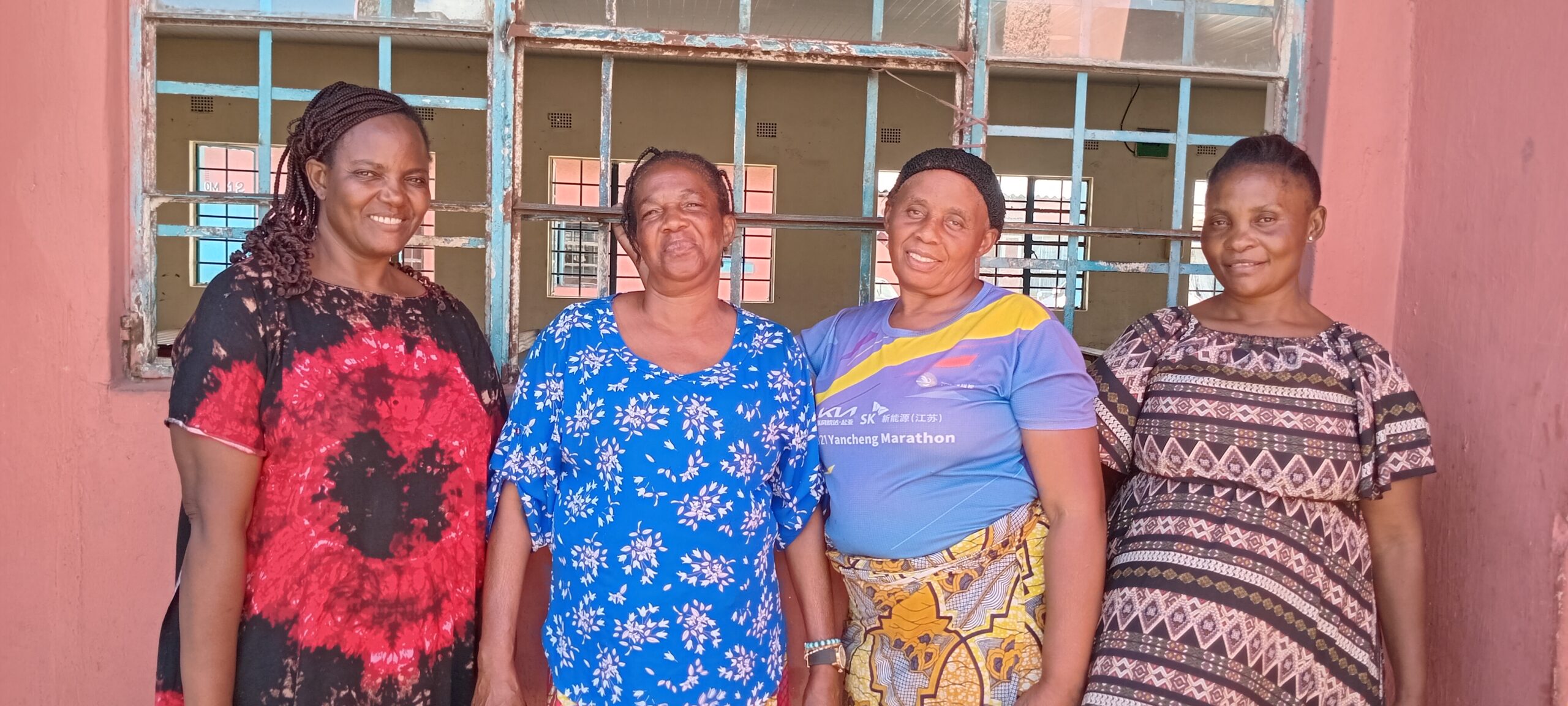
A group of eight women, comprising refugees and Zambians are weaving rugs from fabric offcuts on simple wooden frames. The group is an initiative under UNHCR’s Made51 program which offers refugees opportunity to earn income through handmade products
meet the artisans
Mongu, Zambia
Baskets, Bags & Brooms
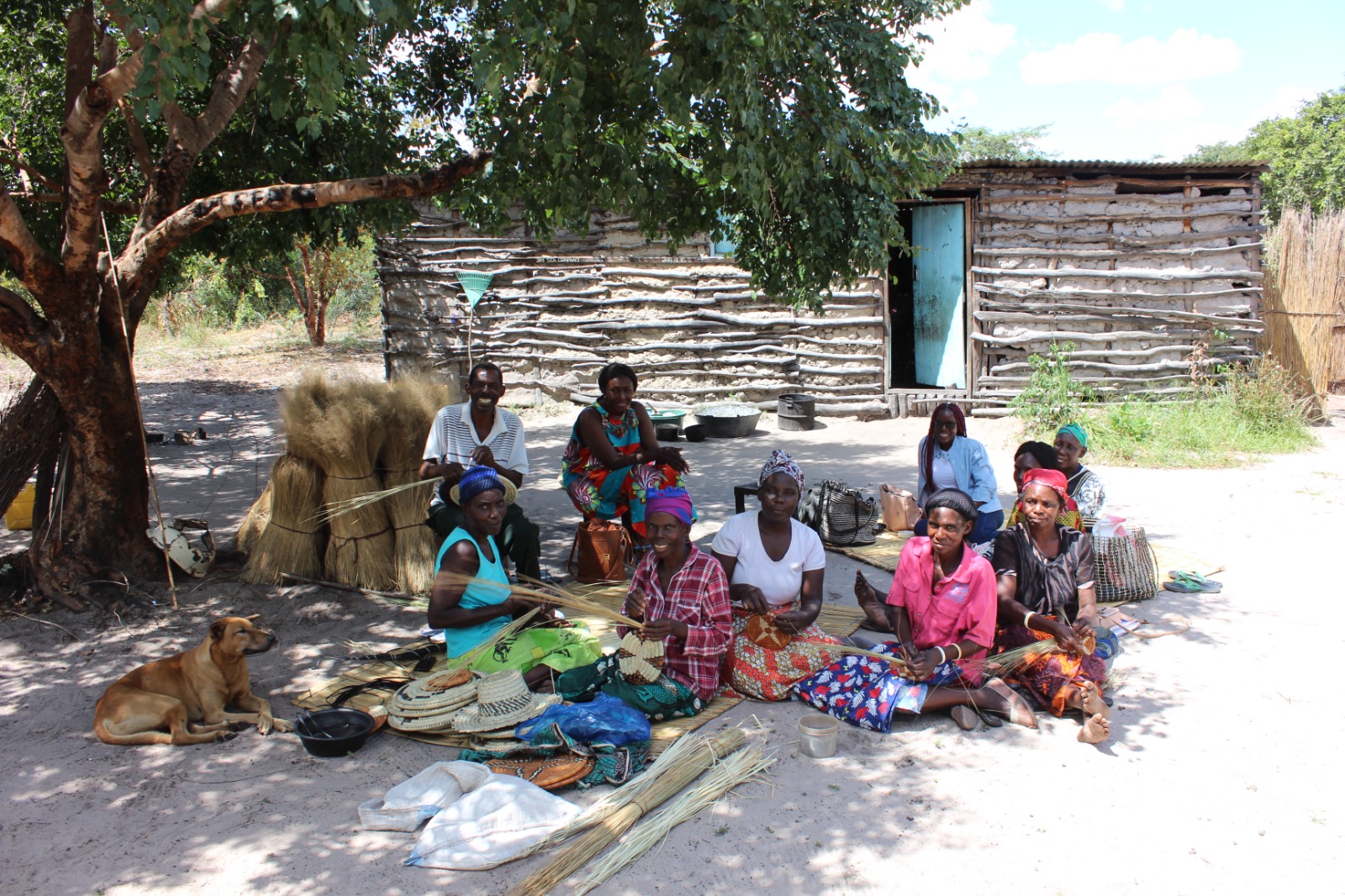
Several groups of women and some men weave FREE’s bespoke designs in the Mongu area of Zambia’s Western Province. The Mongu area is known for its rich heritage of weaving, a skill that some fear is dying out as weavers are so poorly paid that the younger generation is uninterested in learning the skill. Changing this is what brought FREE into basketry. Providing a living wage to our weavers is one of our core values.
Meet The Team
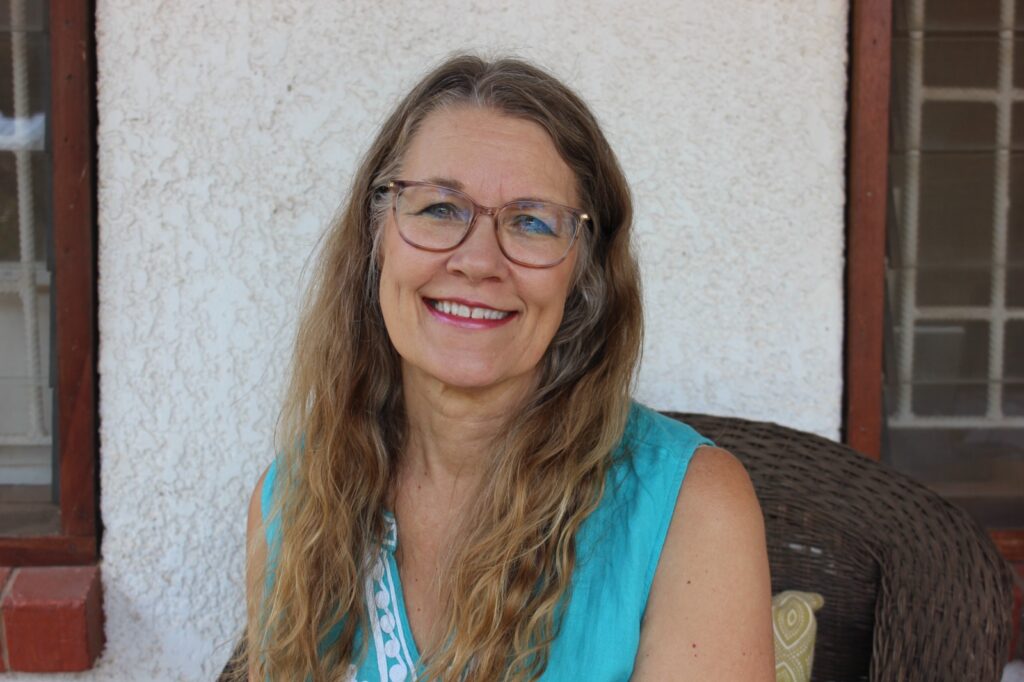
Dawn Close
Founder/CEO
Dawn has lived in southern Africa over the course of forty years. Her background in international development led her to found FREE, with a strong focus on value addition and women’s empowerment. Through FREE, Dawn continues to support women in building sustainable livelihoods and strengthening their sense of value and identity.
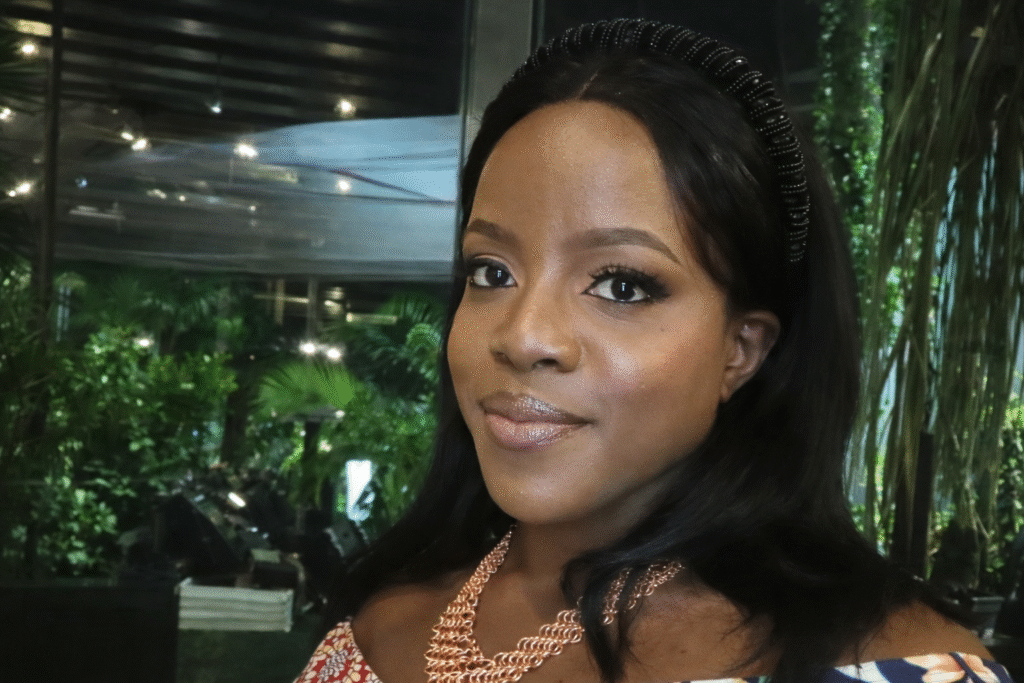
Memory Kunda
Trainer / Admin
Memory began working with the FREE women’s project in Ng’ombe at a young age. Through her involvement, she developed skills that led her to train women and refugees in weaving and craft production. Memory continues to work with FREE, supporting women’s livelihoods through training and hands-on production.
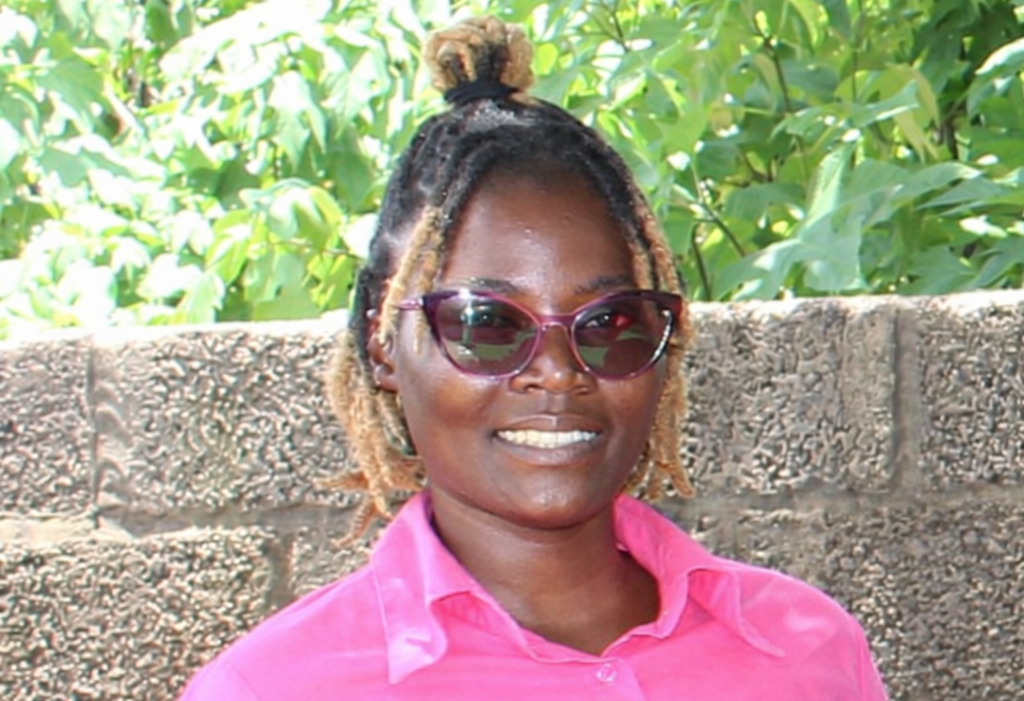
Elina Chandipo
Admin
Elina began making jewelry with the FREE women’s project in Ng’ombe. The self-confidence she acquired through her success with FREE led her to other employment though she maintained her involvement with the jewelry making activities and community engagement. Elina joined FREE as part of the administrative staff in 2025.
At FREE Zambia, transformation extends beyond raw materials it happens in the lives of women and refugee artisans. Corroded copper from old water heaters becomes stunning jewelry, while grass, banana fibers, and other local materials are reimagined into baskets, rugs, and home décor.
Each handcrafted piece tells a story of resilience, skill, and economic empowerment, creating sustainable livelihoods for individuals and communities alike.